
Designer Bridal Dresses in Pakistan: Latest Trends & Prices (2026)
- Lighter, well-placed handwork instead of all-over embellishment
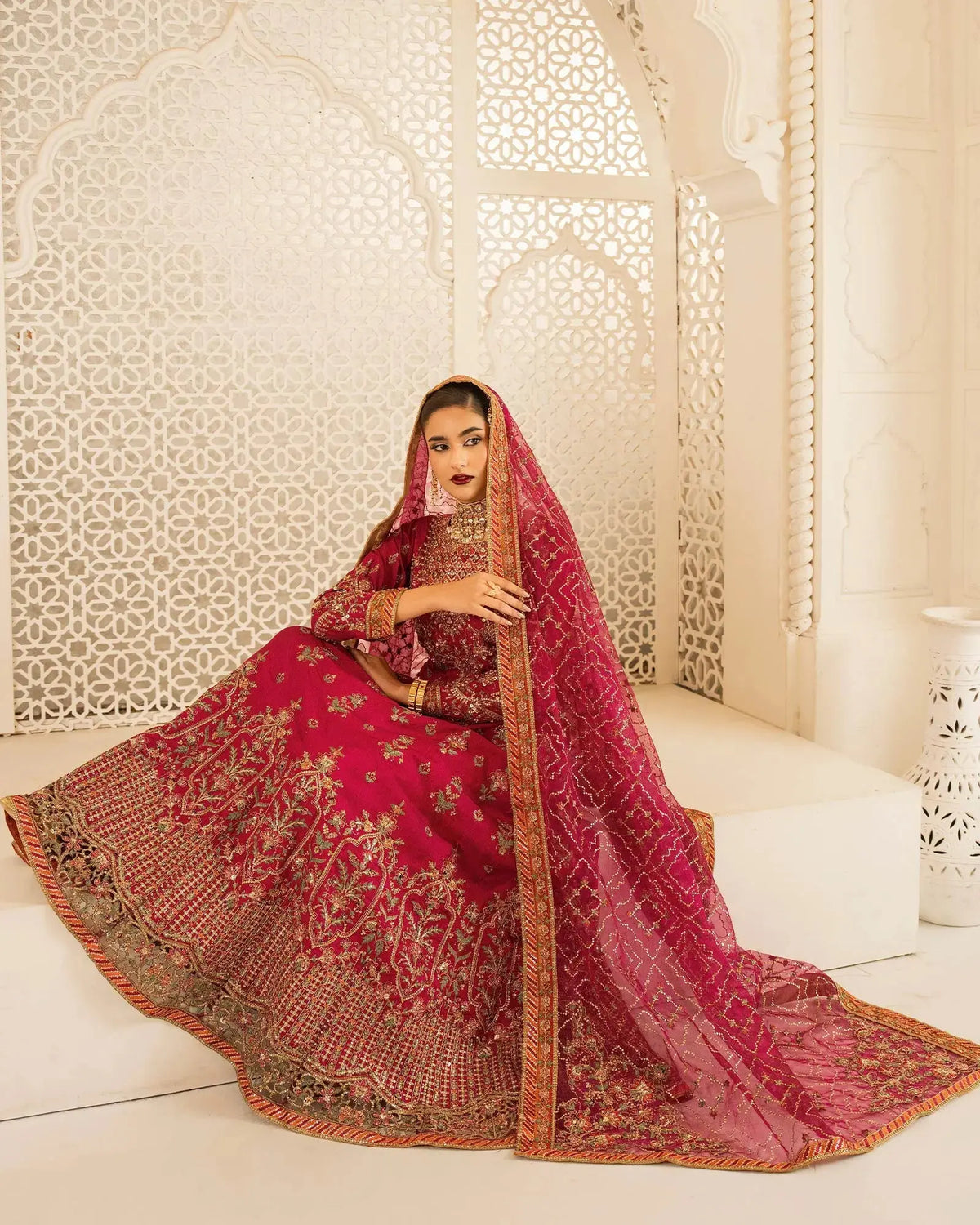
- Red and maroon for the barat
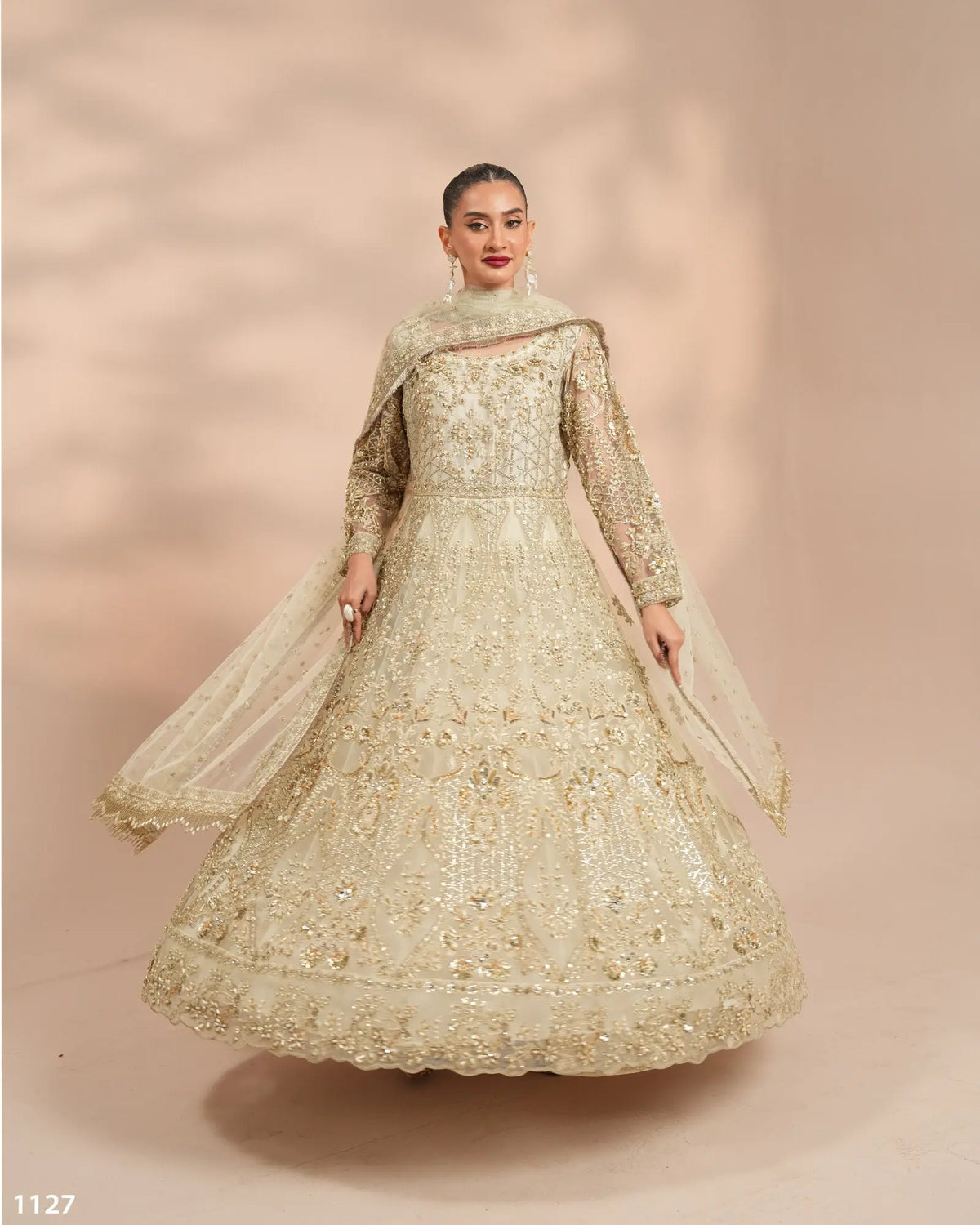
- Ivory, champagne and soft pastels for nikah and walima
- Yellow and green for mehndi
- Velvet, raw silk and katan for winter functions
What Counts as a Designer Bridal Dress in Pakistan?
- Couture bridal: Made to measure, heavily hand-embroidered, ordered months ahead. Usually reserved for the barat.
- Boutique and mid-market bridal: Partly customized, mixing hand and machine work, delivered in weeks rather than months.
- Ready-to-wear (pret) bridal: Stitched, sized and ready to ship. Embroidered on fabrics like organza, net, raw silk and katan. Ideal for nikah, mehndi and walima, and increasingly for smaller barat events.
Bridal Dress Prices in Pakistan: 2026 Price Guide
Here's what to expect at each budget level as of November 2026. These are approximate market ranges, not fixed prices.
|
Tier |
Approx. Price (PKR) |
What You Get |
Delivery |
|
Ready-to-wear bridal formals |
25,000 – 50,000 |
Embroidered maxis, ghararas and shararas in organza, net, raw silk and katan; standard sizes |
Days to a couple of weeks |
|
Boutique / mid-market bridal |
80,000 – 250,000 |
Heavier embellishment, some customization, mix of hand and machine work |
3–8 weeks |
|
Entry designer couture |
250,000 – 800,000 |
Real handwork, made-to-measure fit, a named couture label |
2–4 months |
|
Premium couture |
800,000 to several million |
Pure fabrics, full hand embroidery (zardozi, dabka, kora), complete customization |
3–6 months |
What Actually Drives The Price
The label is only part of the cost. These factors matter more:
-
Handwork vs machine work. Hand embroidery like zardozi, dabka and tilla takes skilled karigars weeks or months. Machine embroidery takes hours. This is the biggest price gap in bridal wear.
-
Fabric. Pure raw silk, velvet and tissue cost more than blends. Rising prices for silk, net and embellishment materials have pushed bridal prices up across the market this season.
-
Piece count. A 3-piece shirt, bottom and dupatta costs less than a 4- or 5-piece set with a second dupatta or inner.
-
Customization. Made-to-measure fits, custom colors and redesigned necklines all add to the bill.
-
Lead time. Rush orders at couture houses usually cost extra, or the handwork gets cut short.
Where Ready-To-Wear Bridal Fits In
If you want the bridal look without couture pricing, ready-to-wear is where your money goes furthest. Sha Posh's ready-to-wear bridal dresses currently range from PKR 24,900 to PKR 49,900 (regular prices). Current styles include:
-
Semi-pure organza embroidered maxi, 3-piece: PKR 49,000
-
Embroidered organza gharara suit with jamawar, 3-piece: PKR 49,900
-
Korean raw silk tilla embroidered maxi, 3-piece: PKR 44,900
-
Maroon Korean raw silk sharara suit, 3-piece: PKR 29,900
-
Bindi badla maxi: PKR 24,900
That's roughly the cost of one couture blouse, for a complete stitched outfit. For more options under a tighter ceiling, see our edit of luxury wedding dresses under PKR 25,000.
Latest Bridal Dress Trends in Pakistan for 2026
1. Lighter Handwork, Placed With Intention
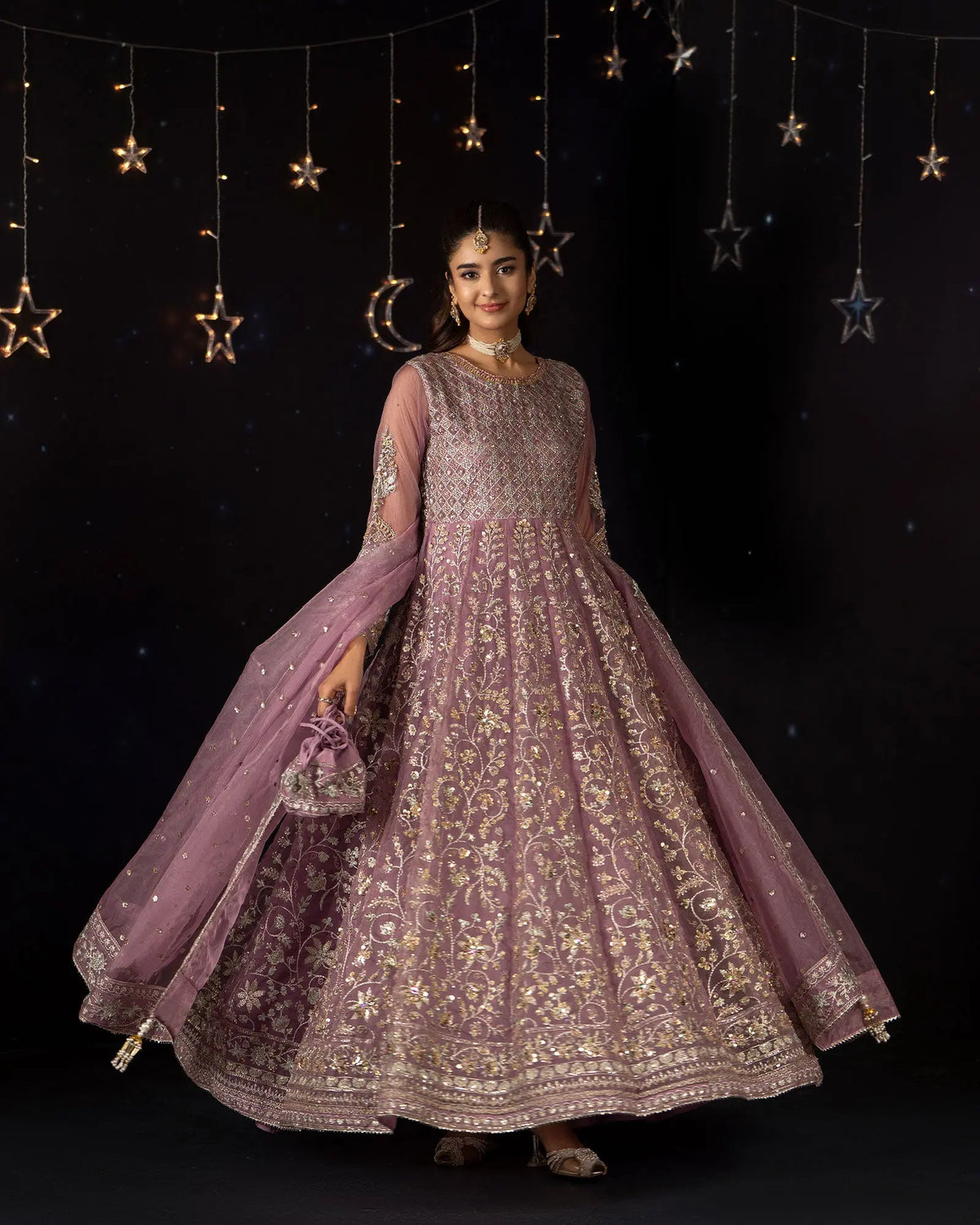
The biggest shift this season is restraint. Heavy, all-over zardozi is giving way to concentrated embroidery on necklines, borders, sleeves and dupatta edges. The outfit still reads as bridal in photos, but it's lighter to wear through a long event. Pakistan's main bridal runway reflected this too: neutral tones, flowing cuts and noticeably less excess.
2. Pastels Next To Classic Red
Red isn't going anywhere for the barat. What has changed is everything around it.
|
Function |
Trending Colors in 2026 |
|
Barat |
Deep red, maroon, rust, wine, gold with red |
|
Nikah |
Ivory, off-white, champagne, blush, lilac |
|
Mehndi / mayun |
Yellow, mustard, green, pistachio, orange |
|
Walima |
Champagne, silver, sage, powder blue, peach, mint |
Lilac, sage and peach have moved from experimental to mainstream, especially for nikah and walima. If you're unsure which shades flatter you, our guide to choosing colors for your skin tone breaks it down.
3. The Bridal Maxi Takes Over Nikah And Walima
The floor-length maxi, along with its frock-style cousin the pishwas, has become the default for nikah and walima brides. It's elegant, easy to move in, and photographs cleanly. Browse maxi and gown styles or longer formal frocks for this look.
4. Gharara And Sharara Make A Strong Comeback
Ghararas and shararas are back for nikah and mehndi, and some brides now choose them for the barat too. They feel heritage-inspired and are far easier to move in than a heavy lehenga. We compare both in detail in bridal lehenga vs gharara.
5. Winter Fabrics That Feel Rich
Since most weddings happen in winter, velvet, raw silk and katan dominate barat and walima looks. They hold embroidery well, add warmth, and give deep colors more depth. See the latest velvet bridal and formal wear and our full guide to velvet dresses in Pakistan.
6. Double Dupatta Styling
Brides are pairing a heavy head dupatta with a lighter shoulder drape. It gives the barat look more drama without adding embroidery to the shirt. An extra embroidered piece from the dupatta collection can upgrade a simpler outfit.
7. Structured, Corset-Style Bodices
Fitted, corset-inspired bodices are now appearing in Pakistani bridal wear, especially under lehengas and at walima receptions. They suit brides who want a sharper, more modern shape.
8. Outfits You Can Wear Again
More brides are choosing outfits they can restyle later. A nikah maxi becomes an Eid dinner look. A walima gharara gets worn again at a sibling's wedding. This is one of the strongest arguments for ready-to-wear bridal over single-use couture.
Bridal Dress Styles Explained
|
Style |
What It Is |
Best For |
Feel |
|
Lehenga choli |
Flared skirt, fitted blouse, dupatta |
Barat |
Grand, traditional |
|
Gharara |
Short kameez with pants flared from the knee, often with a gota band |
Nikah, mehndi, barat |
Vintage, regal |
|
Sharara |
Kameez with pants flared from the waist |
Mehndi, nikah |
Flowing, festive |
|
Bridal maxi / gown |
Floor-length dress, usually with a dupatta |
Nikah, walima |
Sleek, modern |
|
Pishwas |
Long, full frock-style gown |
Nikah, walima |
Graceful, fluid |
|
Kameez with farshi or straight trouser |
Long shirt over a full-length bottom |
Nikah, dholki |
Classic, understated |
Which Bridal Dress for Which Function?
Dholki and mayun: Keep it light and comfortable. An embroidered semi-formal suit in yellow or a soft color works well. For more ideas, see what to wear to dholkis and dawats.
Mehndi: Movement matters, because you'll be sitting, dancing and posing. A gharara or sharara in yellow, green or mustard is the classic choice. Tilla- or gota-embroidered net suits add sparkle without too much weight.
Nikah: Soft, graceful and photographed up close. Ivory, champagne and pastel maxis or ghararas in organza or chiffon are the 2026 favorites.
Barat: This is your biggest look. Red, maroon or a deep jewel tone in raw silk, velvet or katan, with the heaviest embellishment of the week. Our barat dress guide goes deeper on silhouettes and styling.
Walima: Elegant rather than loud. A champagne, silver or pastel maxi in raw silk or chambray katan photographs beautifully under evening lights. For full styling advice, read our walima dress guide.
Best Fabrics for Bridal Dresses by Season
|
Fabric |
Season |
Why Brides Choose It |
|
Velvet |
Winter |
Warm, rich color depth, holds heavy embroidery |
|
Raw silk / Korean raw silk |
Winter, spring |
Structured with a natural sheen; Korean raw silk is smoother and softer |
|
Chambray / paper katan |
Winter, spring |
Crisp drape and a subtle shine; suits maxis and long shirts |
|
Tissue |
All year |
Metallic glow, ideal for nikah and walima |
|
Organza |
Spring, summer, indoor winter events |
Sheer, light and airy; good for layered dupattas |
|
Net / bori net |
All year |
Lightweight base for tilla, sequin and sheesha work |
|
Chiffon |
Summer, indoor events |
Soft, fluid fall; comfortable for long functions |
|
Jamawar |
Winter |
Woven pattern, heritage feel, often used for bottoms |
|
Bindi badla |
All year |
Metallic dot work that shimmers without heavy embroidery |
If you're choosing between sheer fabrics, our chiffon vs organza comparison explains how each one drapes. For silk options, see raw silk vs silk. You can also browse bindi badla designs for an easy shimmer.
Bridal Embroidery Types and How to Spot Real Handwork
Knowing the embroidery names helps you understand what you're paying for:
-
Zardozi: Raised metallic embroidery with wire and thread. The most premium and most expensive.
-
Dabka: Coiled metallic wire, often used with zardozi for texture.
-
Tilla: Fine gold or silver thread work. Elegant and lighter than zardozi.
-
Gota: Metallic ribbon appliqué, traditional on gharara borders and mehndi outfits.
-
Resham: Silk thread embroidery, usually in floral motifs.
-
Sheesha: Small mirrors stitched into the design, popular for mehndi.
-
Sequins and beads: Add sparkle, especially on net and chiffon.
How To Tell Hand Embroidery From Machine Work:
-
Turn the fabric over. Hand embroidery looks slightly uneven on the back. Machine work looks uniform and repetitive.
-
Check whether the motifs vary. Handwork has tiny natural differences between repeats.
-
Feel the raised work. Real zardozi and dabka are textured and noticeably heavy.
-
When buying online, ask for close-up photos and a video in daylight.
Our guide on checking fabric quality before buying online covers more checks you can do from a screen.
How to Build a Bridal Wardrobe on Any Budget
The smartest approach is to rank your functions. Put most of your budget into the one you care about most, which is usually the barat. Then dress the others well for less.
Option 1: Couture Barat, Ready-To-Wear For Everything Else.
Spend on one made-to-measure barat outfit. Choose embroidered ready-to-wear for mehndi, nikah and walima.
Option 2: A Complete Bridal Wardrobe For Under Pkr 2 Lakh.
Using current Sha Posh regular prices, a four-function wardrobe could look like this:
|
Function |
Outfit |
Price (PKR) |
|
Mehndi |
39,900 |
|
|
Nikah |
Semi-pure organza embroidered maxi, 3-piece |
49,000 |
|
Barat |
Maroon Korean raw silk sharara, 3-piece |
29,900 |
|
Walima |
49,000 |
|
|
Total |
167,800 |
That is less than the starting price of most entry-level couture barat lehengas, and it covers all four events.
Dressing the family too? Coordinated looks for mothers and sisters work well from the wider formal collection. Flower girls can match the bride in kids' formal dresses; see our guide to girls' wedding frocks.
When to Buy Your Bridal Dress
-
Couture: Order four to six months ahead. Hand-embroidered pieces can take three to six months, and fittings need a buffer.
-
Boutique and mid-market: Order at least six to eight weeks ahead.
-
Ready-to-wear: Buy three to four weeks before the event. That leaves time for delivery, a try-on, and small alterations like hem length or sleeves.
November to January is peak wedding season, so popular bridal and formal sizes sell out fast. For December weddings, shop in October or early November. Off-season sales are great for stocking up for future events. See our guide on when to shop end-of-season sales for the next wedding season.
Buying a Bridal Dress Online in Pakistan or From Abroad
Buying bridal wear online is now normal, including for overseas Pakistanis in the UK, USA, Canada and UAE. A few checks keep it stress-free:
-
Check the size chart against your own measurements, not your usual size at another brand.
-
Ask for close-ups of the embroidery and a daylight video. Screens can hide the difference between real handwork and print.
-
Read the return and exchange policy before you pay. Sha Posh lists its terms on the exchange and refund page.
-
Confirm shipping times and costs. Sha Posh offers free shipping in Pakistan on orders above PKR 4,000, and flat-rate worldwide shipping with duties and customs included. Full details are on the shipping and payments page.
-
Avoid suspiciously cheap "designer replicas." Quality is rarely what the photos suggest, and an original ready-to-wear piece at a similar price is the safer choice.
If you'd prefer to see the fabric in person first, use the store locator to find a nearby outlet. For more safety tips, read how to buy women's clothes online without getting scammed.
Caring for Your Bridal Dress After the Wedding
-
Dry clean embroidered and velvet outfits only.
-
Store them flat or folded in a breathable cotton or muslin cloth, not plastic.
-
Keep embellished pieces away from moisture and perfume.
-
Refold every few months so permanent creases don't form along the embroidery.
If you spill something during the event, act quickly and gently. Our guide on removing stains from embroidered fabric walks through it step by step.
Frequently Asked Questions
How much does a bridal dress cost in Pakistan?
Ready-to-wear bridal formals start at around PKR 25,000–50,000. Boutique bridal wear usually costs PKR 80,000–250,000. Designer couture starts around PKR 250,000, and fully hand-embroidered pieces can cost several million.
What is the price of a designer bridal lehenga in Pakistan?
Entry-level designer bridal lehengas generally start at around PKR 250,000. Premium couture lehengas with full handwork range from PKR 800,000 to several million.
What are the latest bridal dress trends in Pakistan for 2026?
Lighter and more targeted handwork, pastel colors for nikah and walima, the return of the gharara and sharara, bridal maxis, double dupatta draping, structured bodices, and outfits that can be worn again.
Which color is trending for Pakistani brides in 2026?
Red and maroon still lead for the barat. Ivory, champagne, lilac, sage and peach are trending for nikah and walima, while yellow and green remain the mehndi favorites.
Which fabric is best for a winter bridal dress?
Velvet, raw silk and katan are the best winter choices. They're warm, structured and hold heavy embroidery well.
What should a bride wear for her nikah?
Most brides choose an ivory, champagne or pastel maxi, pishwas or gharara in organza, tissue or chiffon, with delicate embroidery and a long dupatta.
Can I find a bridal dress under PKR 50,000 in Pakistan?
Yes. Ready-to-wear bridal collections offer embroidered maxis, ghararas and shararas in this range, especially for nikah, mehndi, walima and smaller barat events.
How early should I order my bridal dress?
Four to six months ahead for couture, six to eight weeks for boutique pieces, and three to four weeks for ready-to-wear.
Is ready-to-wear good enough for a bride?
For nikah, mehndi and walima, absolutely. Many brides now choose ready-to-wear for their barat too, especially for smaller weddings or when they'd rather spend the budget elsewhere.
Can I order a Pakistani bridal dress from the UK or USA?
Yes. Many Pakistani brands ship worldwide. Look for clear size charts and an easy-to-find returns policy, and check whether duties and customs are included in the shipping price.


Leave a comment